DeskSpace
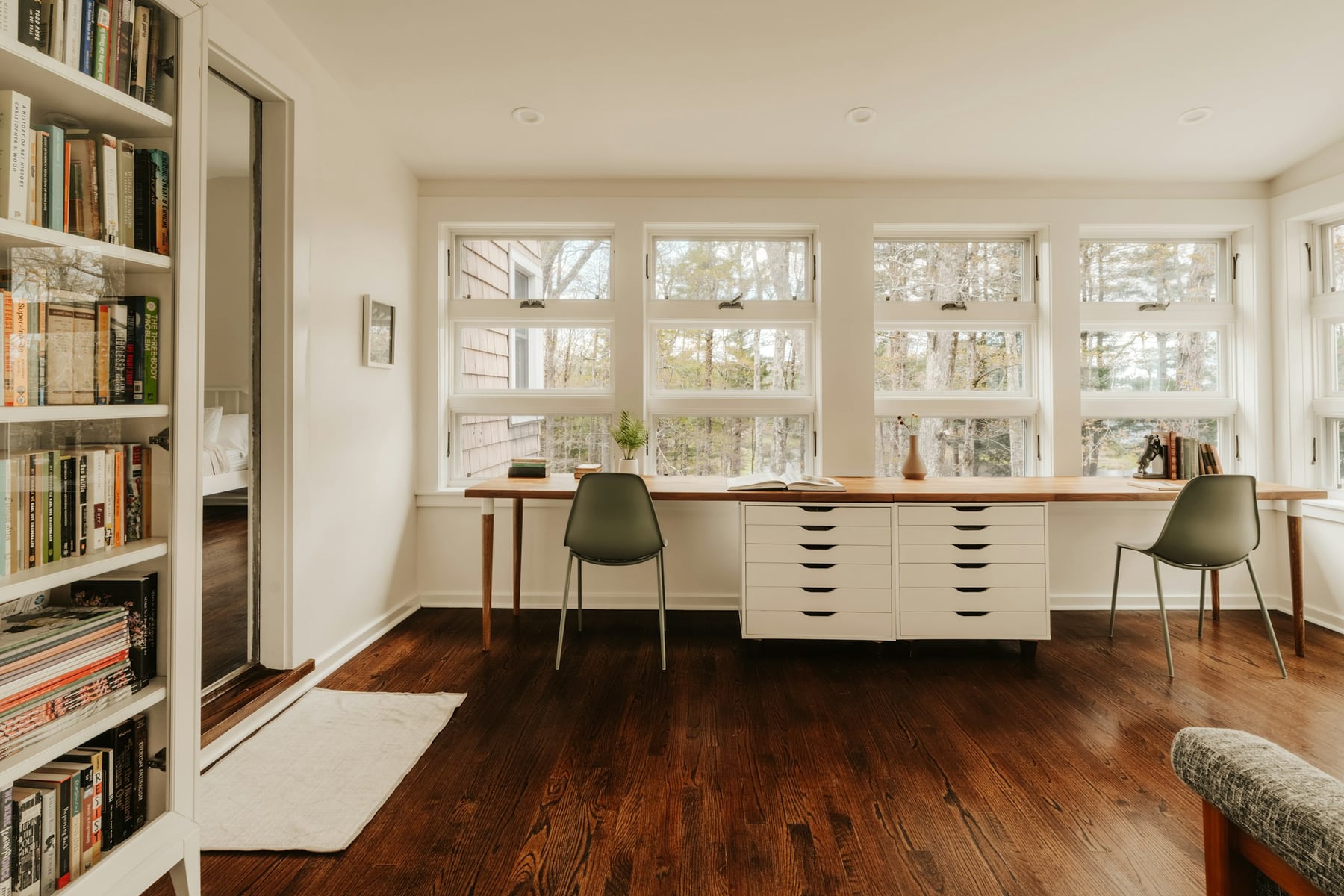
A room can hold two workstations and still be difficult to share. One person begins a call just as the other starts editing a document. The printer is reachable only by passing behind a camera, or changing a shared desk's position moves equipment both people are using.
Plan for those overlapping moments before choosing the furniture. This guide concerns two people working in the same room at the same time. A desk handed over between consecutive users is a different problem, even when the same people and equipment are involved.
Start by deciding which activities can coexist and which need another arrangement. The useful outcome may be separate work positions, a shared surface with agreed limits, or a different place for some calls. More desktop space cannot resolve every reason the room is hard to share.
Describe the work each person needs to do
Each person should identify an ordinary concentration task, an activity that involves speaking and the equipment they need within reach. Add anything they use together, such as a printer, reference material or storage. Then look at when those activities overlap.
CCOHS's office-space guidance considers concentration, communication, visual and acoustic privacy, access to equipment and the nature of the work. Its questions are useful for this room decision; its traditional-office space allocations are not domestic requirements.
Be specific about the interruption. “We both work from home” tells you less than “one of us has recurring conversations while the other needs to read closely.” That distinction gives a proposed arrangement something to solve. It also prevents a purchase from standing in for an unanswered question about how the room will be used.
Separate working positions from shared furniture
A long surface may provide places for both people's equipment. It does not automatically give each person an independently suitable working position. If the surface moves as a single unit, adjusting it also moves the other person's screen, keyboard and materials.
Decide whether that shared movement suits the work. If one person needs a different position while the other remains at the desk, investigate independently adjustable arrangements. Separate desks may make that possible when their actual controls and configurations support it; the fact that they are separate does not establish their fit.
Try side-by-side positions, facing positions or positions on different walls as candidates. Judge access to the work, chair approach and the room around them. These are arrangement choices, not a ranking of which direction will make the room quieter.
For the light and orientation of an individual position, use the desk-placement guide. Here, the additional question is what happens when the other person is working too.
Agree how calls and focused work can coexist
Furniture does not stop ordinary speech from reaching another person in the room. Comcare's office-noise guidance discusses conversations, device sounds and office equipment as distractions. Its practical options include agreeing when quieter work is needed, considering others when setting voice or device volume, and using another room for meetings or lengthy conversations.
Apply those questions to what is available at home. Is there a separate place for a long call? Can a recurring quiet task happen at another time? Which interruptions are occasional, and which would make sharing the room unworkable every day?
A headset can keep incoming meeting sound from being played through room speakers, but it does not silence the wearer. OSHA's telephone guidance makes speakerphone use conditional on not disturbing others. Treat that other person's task as part of the audio choice.
If the work needs privacy, assess that requirement separately. A screen partition may hide a view, but neither it nor headphones establish sound isolation or confidentiality.
Give shared resources a place that works for both
Identify what actually benefits from being shared. A printer used occasionally has a different access pattern from a reference book that one person consults throughout the day. Shared storage is less helpful if ordinary retrieval repeatedly crosses the other person's working position.
Rehearse the access rather than assigning every common item to the space between the desks. Can either person use it while both chairs are occupied? Does opening its storage interrupt another task? Can one person leave the room without requiring the other to reorganize their position?
Check camera views with both people in their ordinary places. Look at who appears behind whom and which normal routes pass through the frame. A preview reveals the visible background at that moment; it is not a privacy assessment or evidence that conversation will not be heard.
These observations are practical room planning, not a prescribed clearance or a tested home-office design.
A longer desk may leave the main conflict untouched
Imagine two people initially choosing a long desk because they want to work together. One regularly edits documents in concentration; the other has recurring calls. They first examine the overlap rather than assuming that a generous surface will make it manageable.
They identify another available location for lengthy or sensitive conversations and agree when quieter work matters. Only then do they compare the working positions and move shared storage to a place both can reach without interrupting the other.
That imagined arrangement is worth trying because it addresses the competing activities. If no acceptable call-and-focus plan exists, a larger top does not settle the unresolved room-sharing problem. Different timing or a different working location may need consideration before furniture.
This scenario is not a room we installed, an acoustic test or a promise that an agreement will resolve every interruption.
Rehearse an ordinary period of working together
Try the arrangement with the activities that made sharing difficult. Have both people use their normal equipment, approach and leave their chairs, reach the shared items and examine the camera framing. Check a speaking activity alongside the other person's task using non-sensitive material.
Keep the arrangement when those activities can coexist acceptably. Name any remaining conflict before changing another object. If the question is specifically how each person hears and sends meeting sound, continue with the headset-versus-speakers guide.
If the people actually alternate at a single desk, the UPLIFT configuration guide includes that separate handover situation. A saved setting for consecutive users does not create independent positions for simultaneous work.
Sources and review scope
The linked CCOHS, Comcare and OSHA resources were read November 2, 2026. Canadian and Australian workplace guidance informs general planning questions here; it is not presented as a US home-office rule.
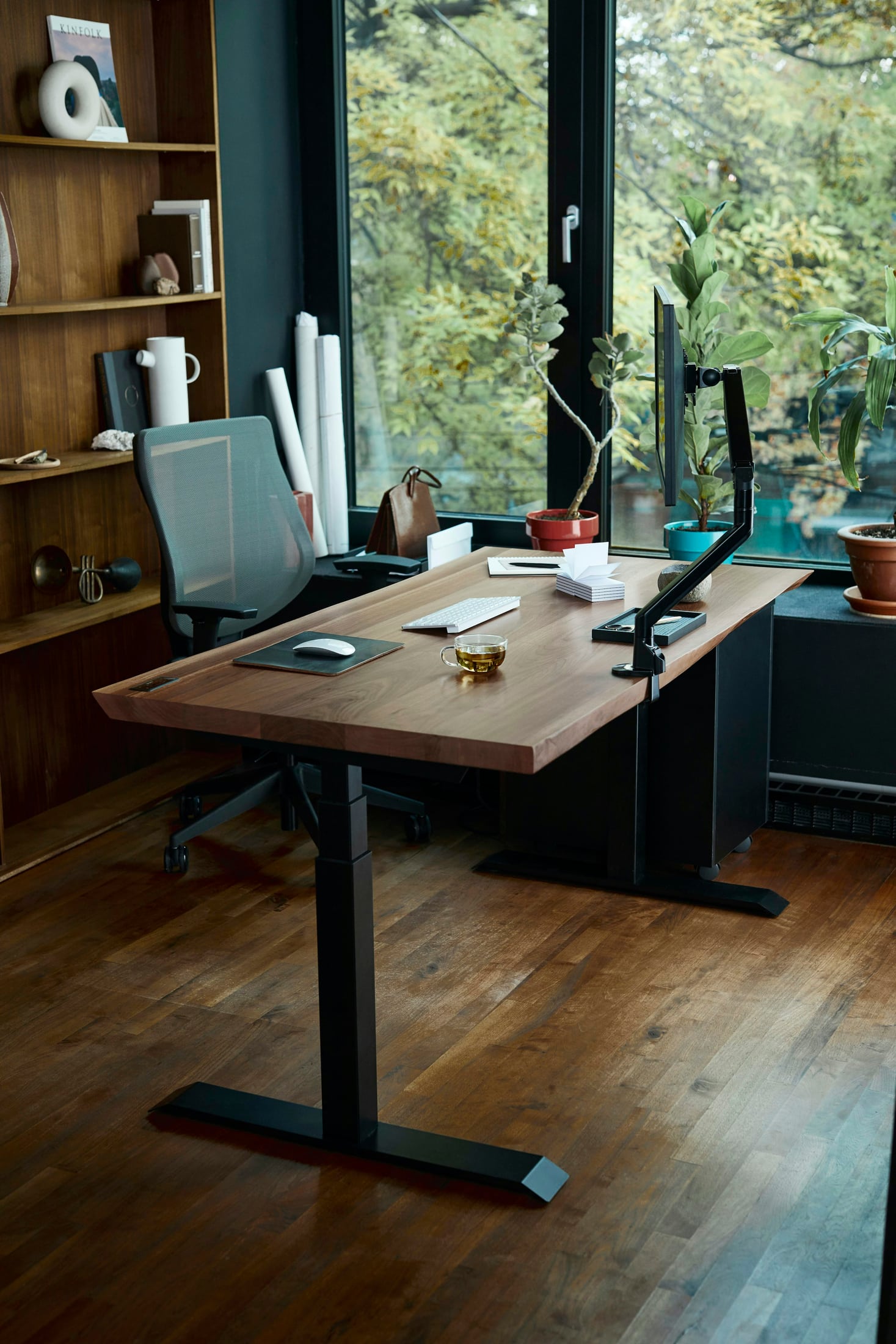
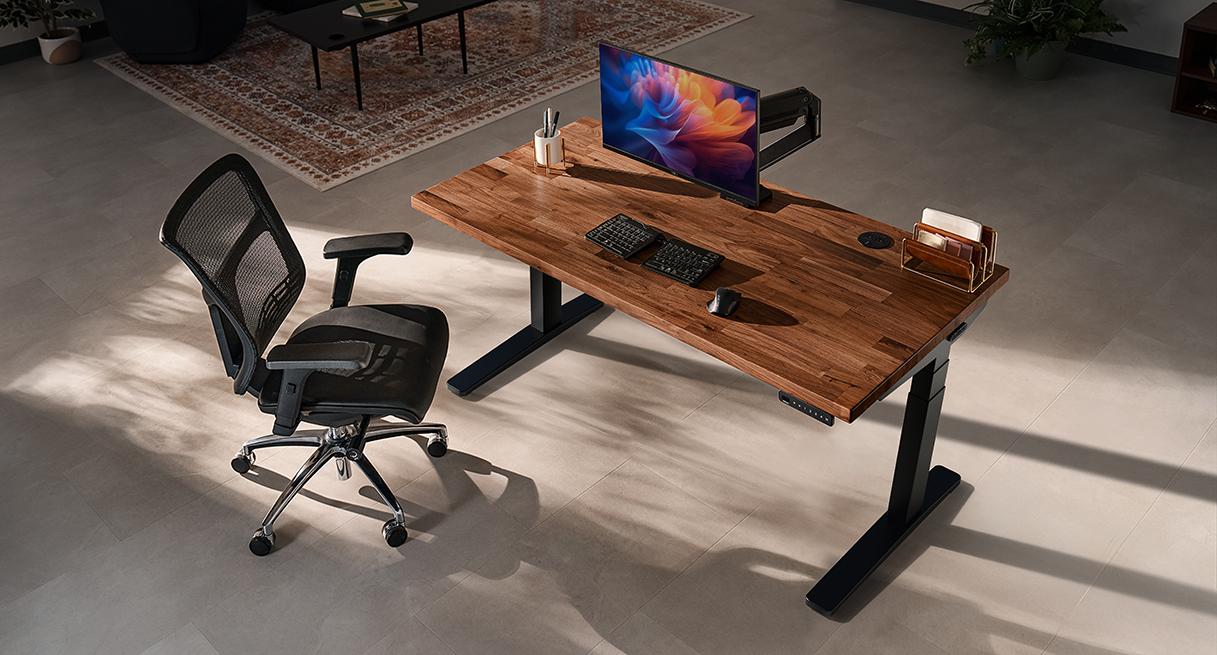
DeskSpaceLab's simultaneous-work rehearsal and scenario are editorial analysis. We have not assessed room capacity, acoustics, confidentiality or personal fit. Contextual photographs illustrate shared workspaces, not approved layouts or sound-isolation results.
About this guide: An editorial planning profile, not a medical professional. Turns workspace questions into measurements, layout decisions and practical buying sequences. Editorial profile
Keep planning your workspace.
Use the sources and related guides to choose your next step.
Explore buying guides →